

Best overall: Jungo for mortgage-specific relationship management. Best for customization: Salesforce. Best for a general-purpose sales workflow: HubSpot. This 2026 guide compares the best CRM software for loan officers by workflow fit, implementation demands, and the operating rhythm you need to maintain.
- Jungo leads this best CRM software for loan officers shortlist when mortgage-specific relationship management is your priority.
- Salesforce fits teams that need customization and can assign an accountable system owner.
- HubSpot fits general-purpose sales workflows; BNTouch and Total Expert deserve mortgage-focused demonstrations.
- Nextlevelcoaching provides mortgage and real-estate coaching, not CRM software or lending services.
Why this matters
A CRM gives your relationships, tasks, and follow-through a shared record. It does not decide which referral partners deserve attention or whether your team completes the next action. Buying software without those decisions leaves the management problem intact.
Nextlevelcoaching is for mortgage and real-estate professionals seeking coaching, not a CRM replacement. Keep that distinction clear: Nextlevelcoaching provides coaching and education, while the software providers below supply customer relationship management systems.
For your 2026 selection, start with the work that breaks down today. Missed follow-up, scattered relationship notes, inconsistent marketing, and unclear task ownership are different problems. Your shortlist should reflect the problem you need to solve.
What makes the best CRM software for loan officers?
Use these criteria before comparing demonstrations. A polished interface is not evidence that a system fits your production process.
- Relationship structure: Can you distinguish borrowers, referral partners, and professional contacts without creating disconnected records?
- Next-action discipline: Can an assigned person see the next task, its due date, and the relationship context?
- Mortgage workflow fit: Can the system represent your actual process without turning the CRM into an unofficial loan origination system?
- Marketing governance: Can your team control message approval, audience selection, permissions, and communication preferences?
- Implementation ownership: Who configures fields, maintains data, resolves duplicates, and checks adoption after launch?
Treat these as acceptance criteria for your 2026 purchase, not a feature wish list. Ask each provider to demonstrate your workflow using sample records. Verify current capabilities, integrations, and contractual terms directly before signing.
Best loan officer CRMs at a glance
The order below is an editorial fit ranking, not a measured performance leaderboard. Each option occupies a different decision slot.
| CRM | Best for | Standout focus | Key limitation or decision gate |
|---|---|---|---|
| Jungo | Mortgage-specific relationship management | Mortgage-focused CRM built on Salesforce | Confirm mortgage workflows and Salesforce administration requirements |
| Salesforce | Custom sales and relationship processes | Configurable CRM platform | Configuration requires clear ownership and scope |
| HubSpot | General-purpose sales follow-up | Contact, deal, and task management | Mortgage-specific processes need a deliberate fit check |
| BNTouch | Mortgage-focused borrower marketing | Mortgage CRM and marketing workflows | Validate message controls and your required connections |
| Total Expert | Organization-wide marketing coordination | Financial-services customer engagement | Confirm fit for your organization's governance and rollout needs |
Do not confuse a strong category fit with a completed selection. A system earns approval when your team can use it to finish real work, not when a demonstration contains the longest feature list.
1. Jungo: best CRM for mortgage-specific relationship management
Jungo is a mortgage-focused CRM built on Salesforce. It belongs at the top of this shortlist when you want mortgage-oriented relationship management rather than a general-purpose platform as your starting point.
Best for: Loan officers and mortgage teams that want a mortgage-specific CRM foundation and will assign responsibility for administration.
Jungo's mortgage focus is the reason to evaluate it first. That focus does not remove the need to check record structure, handoffs, reporting, and the work required to maintain the system.
Jungo pros:
- Mortgage specialization provides a relevant starting point for evaluation.
- The Salesforce foundation offers a recognizable platform context.
- Borrower and referral relationship workflows can anchor a focused demonstration.
Jungo cons:
- A mortgage-focused product still requires configuration and adoption discipline.
- Salesforce administration needs belong in the implementation discussion.
- Required connections and data movement must be verified individually.
Ask Jungo to show a referral partner relationship becoming a borrower conversation, then a task assigned to the appropriate team member. Watch whether relationship context stays visible throughout that process.
Verdict: Buy Jungo when mortgage-specific fit is demonstrated and an internal owner accepts responsibility for the system.
2. Salesforce: best CRM for custom relationship processes
Salesforce is a configurable CRM platform used across industries. Its strongest fit here is a mortgage organization that wants to define its own relationship model, assignment rules, and management views.
Best for: Teams with distinct operating requirements and the capacity to manage configuration.
Choose Salesforce for a defined customization requirement, not because a larger platform sounds more established. Your team needs a written process before translating that process into fields, stages, and automation.
Salesforce pros:
- Configurability supports organization-specific relationship structures.
- Sales management capabilities provide a foundation for team oversight.
- A broad platform supports a deliberate, staged implementation approach.
Salesforce cons:
- Mortgage-specific processes are not established by the platform name alone.
- Excessive customization creates more settings and dependencies to maintain.
- Unclear ownership makes change requests and data standards difficult to control.
Ask the implementation team to separate necessary configuration from optional additions. Every custom field should support a decision, an assignment, or a required record—not merely capture information someone might want later.
Verdict: Buy Salesforce when customization is a documented requirement; skip it when nobody owns configuration.
3. HubSpot: best CRM for general-purpose sales follow-up
HubSpot provides CRM tools for managing contacts, deals, and sales activity. It is a relevant option when your immediate need is a clear sales follow-up process rather than a mortgage-specific operating environment.
Best for: Loan officers or teams willing to use general-purpose CRM structures for relationship tracking and task management.
Keep the evaluation focused on the work you actually need. A general-purpose CRM deserves consideration when it handles that work clearly, but a familiar sales pipeline does not automatically represent your mortgage process correctly.
HubSpot pros:
- Contact, deal, and task concepts provide a straightforward evaluation framework.
- General-purpose sales workflows suit relationship follow-up outside loan processing.
- A defined scope lets you separate essential CRM work from additional platform functions.
HubSpot cons:
- Mortgage-specific terminology and processes need validation or configuration.
- Deal stages should not be treated as verified loan milestones without an established connection.
- Broader platform capabilities can distract from the original follow-up problem.
Demonstrate a referral contact with several associated conversations. Then ask your team to identify the next action without searching through unrelated records or relying on memory.
Verdict: Buy HubSpot when general-purpose relationship tracking meets your requirements; skip it when mortgage-specific workflows are essential.
4. BNTouch: best CRM for mortgage-focused borrower marketing
BNTouch provides mortgage CRM and marketing software. Evaluate it when borrower communication and mortgage-oriented follow-up sit at the center of your selection criteria.
Best for: Mortgage teams prioritizing borrower marketing alongside relationship management.
Start the demonstration with your communication process. Identify who selects an audience, who approves the message, and what happens when a contact's circumstances change.
BNTouch pros:
- Mortgage specialization keeps the evaluation close to your business context.
- CRM and marketing functions belong in the same workflow discussion.
- Borrower communication provides a concrete use case for a pilot.
BNTouch cons:
- Marketing functions do not determine whether a particular message is appropriate.
- Connection requirements still need verification against your existing systems.
- Communication workflows require content ownership and ongoing review.
Do not approve a marketing workflow because it sends messages successfully. Ask your team to demonstrate how it handles an incorrect audience assignment, a requested communication change, and a message that needs revision.
Verdict: Buy BNTouch when borrower marketing is the priority and your communication controls pass the pilot.
5. Total Expert: best CRM option for coordinated marketing oversight
Total Expert provides customer engagement software for financial services, including mortgage organizations. Its distinct role in this shortlist is coordinated marketing and relationship engagement across an organization.
Best for: Mortgage organizations evaluating shared marketing processes, oversight, and customer engagement.
Assess Total Expert through both the individual user's workflow and the organization's approval process. A central marketing function and a producing loan officer need different views of the same operating system.
Total Expert pros:
- Financial-services focus provides relevant context for evaluation.
- Customer engagement connects marketing decisions with relationship activity.
- Organization-wide coordination gives leadership a clear demonstration agenda.
Total Expert cons:
- Organizational requirements can complicate a narrowly scoped individual need.
- Central standards and local user needs require explicit agreement.
- Adoption depends on clear responsibilities beyond the software itself.
Ask a marketing owner and a loan officer to complete their respective parts of the same workflow. Neither should need to guess who owns the next decision.
Verdict: Hold Total Expert on the shortlist until both organizational governance and daily user fit are demonstrated.
How this ranking works
This 2026 ranking prioritizes mortgage relevance first, then separates the alternatives by customization, general-purpose sales follow-up, borrower marketing, and organizational coordination. It does not claim hands-on testing, measured adoption results, or a universal performance winner.
The criteria remain the same for every provider: relationship structure, next-action discipline, workflow fit, marketing governance, and implementation ownership. Your organization's requirements determine the final order.
Credibility should be documented—not decorated. Ask for a workflow demonstration, written implementation responsibilities, and confirmation of required connections. A recognizable name is not a substitute for those checks.
Run a focused CRM pilot before committing
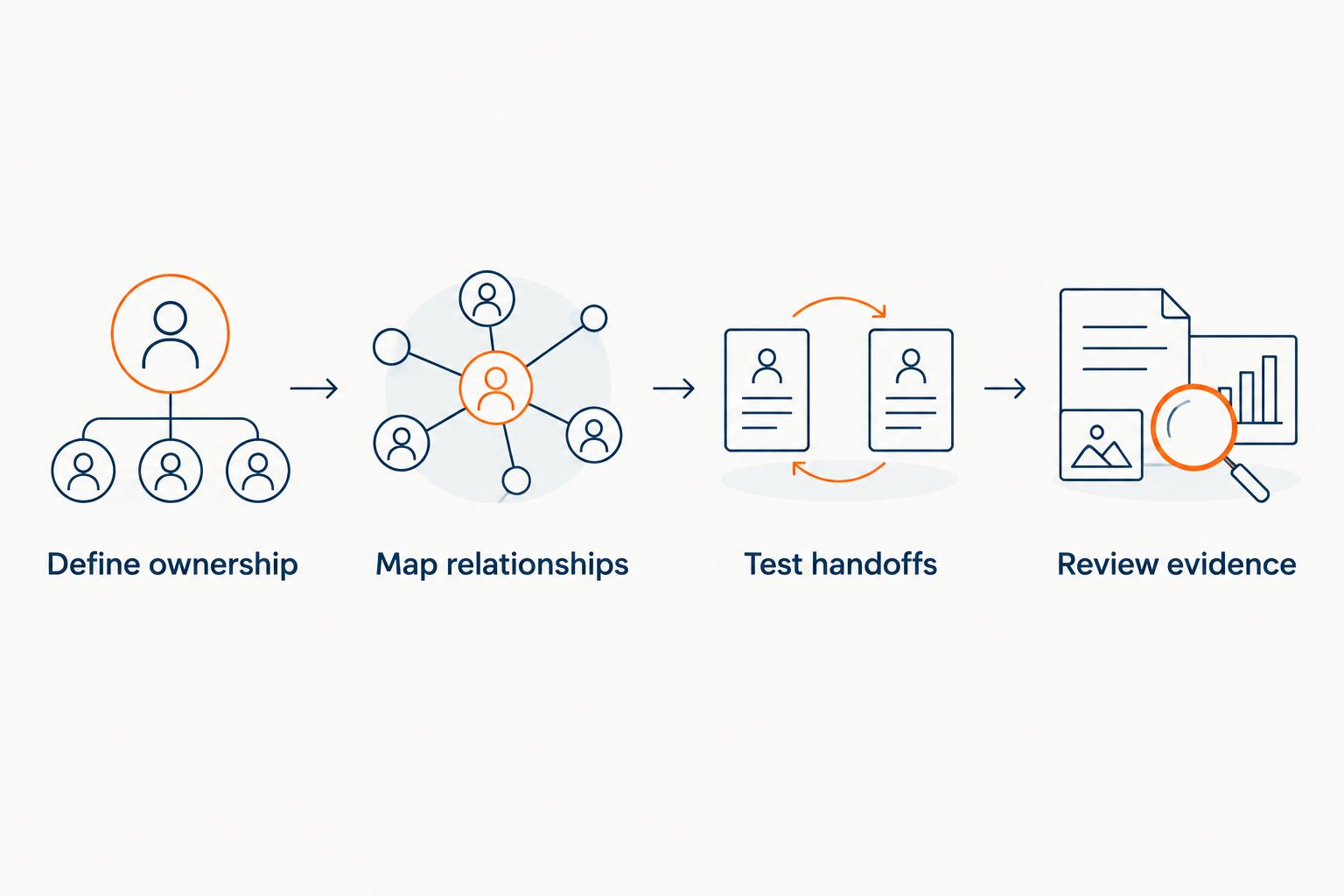
For your 2026 evaluation, use a 30-day pilot as a proposed decision process, not as a vendor promise. Work with 20 sample records representing the relationships you manage. Use fictional or appropriately approved data until your organization authorizes production use.
- Define ownership: Assign a person responsible for records, configuration, and unresolved issues.
- Map relationships: Include borrower contacts, referral partners, and contacts with more than one relationship role.
- Test handoffs: Move a sample relationship through assignment, follow-up, and a change in responsibility.
- Review evidence: Check whether completed actions and unresolved work are visible without verbal explanation.
The pilot should expose ambiguity before you migrate your working database. Keep an issue log that distinguishes a software limitation from a training problem or an undefined business rule.
Schedule a 15-minute review after each pilot work session. Ask what was completed, what required a workaround, and what remained unclear. These durations and record counts are a suggested evaluation structure, not benchmarks or claims about vendor performance.
Keep your acceptance decision specific. Approve the system only when the required workflow works, the owner accepts ongoing responsibilities, and unresolved issues have a documented resolution.
Which CRM should you choose?
Start with Jungo if you need a mortgage-specific CRM and have no overriding customization or governance requirement. Choose Salesforce for a defined custom operating model, HubSpot for general-purpose sales follow-up, BNTouch for borrower marketing, or Total Expert for coordinated organizational engagement.
Keep coaching and software decisions separate. Nextlevelcoaching's mortgage coaching serves professionals seeking production and leadership development; a CRM supplies the recordkeeping and workflow environment in which your team works.
For a 2026 buying decision, the final question is practical: can the intended users complete the required work and show management what happened? If the answer requires explanation outside the system every time, resolve that gap before committing.
FAQ
What's the best CRM software for loan officers?
Jungo is the default recommendation in this shortlist for mortgage-specific relationship management. Salesforce, HubSpot, BNTouch, and Total Expert fit different customization, sales follow-up, and marketing requirements.
Is Jungo better than Salesforce for a loan officer?
Jungo is the more mortgage-specific starting point, while Salesforce fits teams defining a custom CRM configuration. Jungo itself is built on Salesforce, so compare the required workflows and administration rather than treating the platforms as unrelated.
Can a loan officer use HubSpot as a CRM?
HubSpot is an option for general-purpose contact, deal, and task management. Validate mortgage-specific requirements and keep loan processing responsibilities separate from an unverified CRM workflow.
Should a mortgage CRM replace a loan origination system?
Do not assume a mortgage CRM replaces your loan origination system. Define which system owns each record and verify how information moves between them before implementation.
What should I ask during a mortgage CRM demonstration?
Ask the provider to demonstrate your relationship structure, task assignment, handoffs, and communication controls. Use sample records and require confirmation of any connection essential to your workflow.
How long should I pilot CRM software before choosing?
Use a 30-day pilot as a proposed evaluation window, with defined workflows and an accountable owner. The decision depends on completed acceptance checks, not the calendar alone.
Does Nextlevelcoaching provide CRM software?
Nextlevelcoaching provides coaching and education programs for mortgage loan officers and real-estate professionals. It is not a CRM vendor or lender; evaluate software providers separately from coaching support.
One last thing
Before adding another automated follow-up, remove one ambiguous ownership rule. A reminder sent to everyone does not establish who must act.
Write the owner, the next action, and the completion evidence into your pilot requirements. Choose the CRM that makes responsibility visible—not the demonstration that makes software look busy.